Expert Tips for Energy-Efficient Lighting in Your Home Apr 17, 2026
To begin with, consider shifting from traditional incandescent bulbs to more energy-efficient alternatives. LEDs (Light Emitting Diodes) and CFLs (Compact Fluorescent Lamps) are excellent choices. LEDs, in particular, use at least 75% less energy than incandescent bulbs and last 25 times longer. While the initial cost may be higher, their long-term savings and reduced environmental impact make them a worthwhile investment.
Next, think about using lighting controls. Installing dimmers, timers, and smart lighting systems can greatly enhance your energy savings. Dimmers allow you to adjust the brightness based on your needs, reducing energy consumption. Timers can automate your lighting schedule, ensuring lights are off when not needed. Smart lighting provides even more control, allowing you to manage lights remotely using your smartphone, ensuring no light is left on unnecessarily.
Another strategy for energy-efficient lighting is to maximize the use of natural light. Position workstations, reading areas, and other commonly used spaces near windows. This not only helps in reducing the usage of artificial lights during the day but also boosts your mood and productivity with natural sunlight. Complement this setup with the use of light-colored paints and reflective surfaces to enhance the natural light in your space.
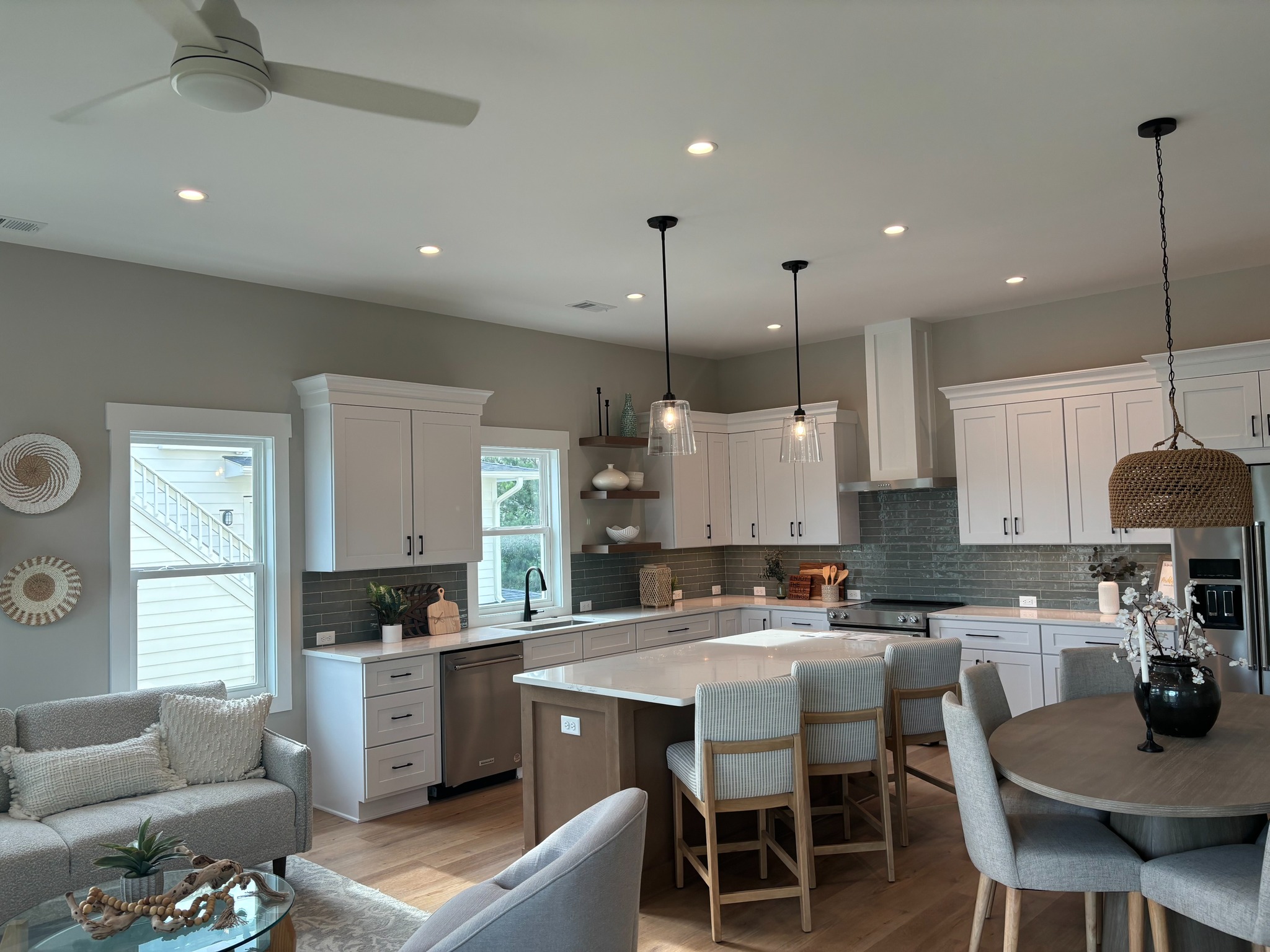
The arrangement and choice of light fixtures also play a critical role in lighting efficiency. Opt for fixtures that direct light efficiently and use bulbs that suit the lumens requirement of the space. A common mistake is using overly bright bulbs where they aren’t needed, wasting both energy and money. Assess each room's need and consider layering lighting – ambient, task, and accent – to ensure functionality and cost-effectiveness.
Moreover, regular maintenance of your lighting fixtures is crucial. Dust and dirt on bulbs and shades can reduce lighting output by up to 25%, causing increased energy use to achieve desired brightness. Regularly cleaning and checking your fixtures can lead to better light distribution and efficiency.
Investing in energy-efficient outdoor lighting is also beneficial. Solar-powered lights are a fantastic eco-friendly option for outdoor spaces. They charge during the day and light up paths, gardens, or patios during the night, without adding to your electricity bill. For security purposes, consider using motion sensor lights that only activate when movement is detected.
In conclusion, adopting energy-efficient lighting practices is a step towards a sustainable future and economical living. By upgrading to energy-saving bulbs, utilizing lighting controls, and maximizing natural light, you can make significant strides in reducing energy consumption. Electrical Solutions USA is here to support your journey towards energy efficiency with professional guidance and services tailored to your home’s needs.
Stay informed and make lighting choices that not only benefit your wallet but also contribute to a cleaner planet.
/filters:no_upscale()/filters:format(webp)/media/c5e052ee-3579-4181-8750-befe65f160d1.jpg)
/filters:no_upscale()/filters:format(webp)/media/604954cf-0318-4f3b-be8e-10746e9e847a.jpeg)